Our Investigation Process
5-Step Investigation Process
From survey to engineering recommendations
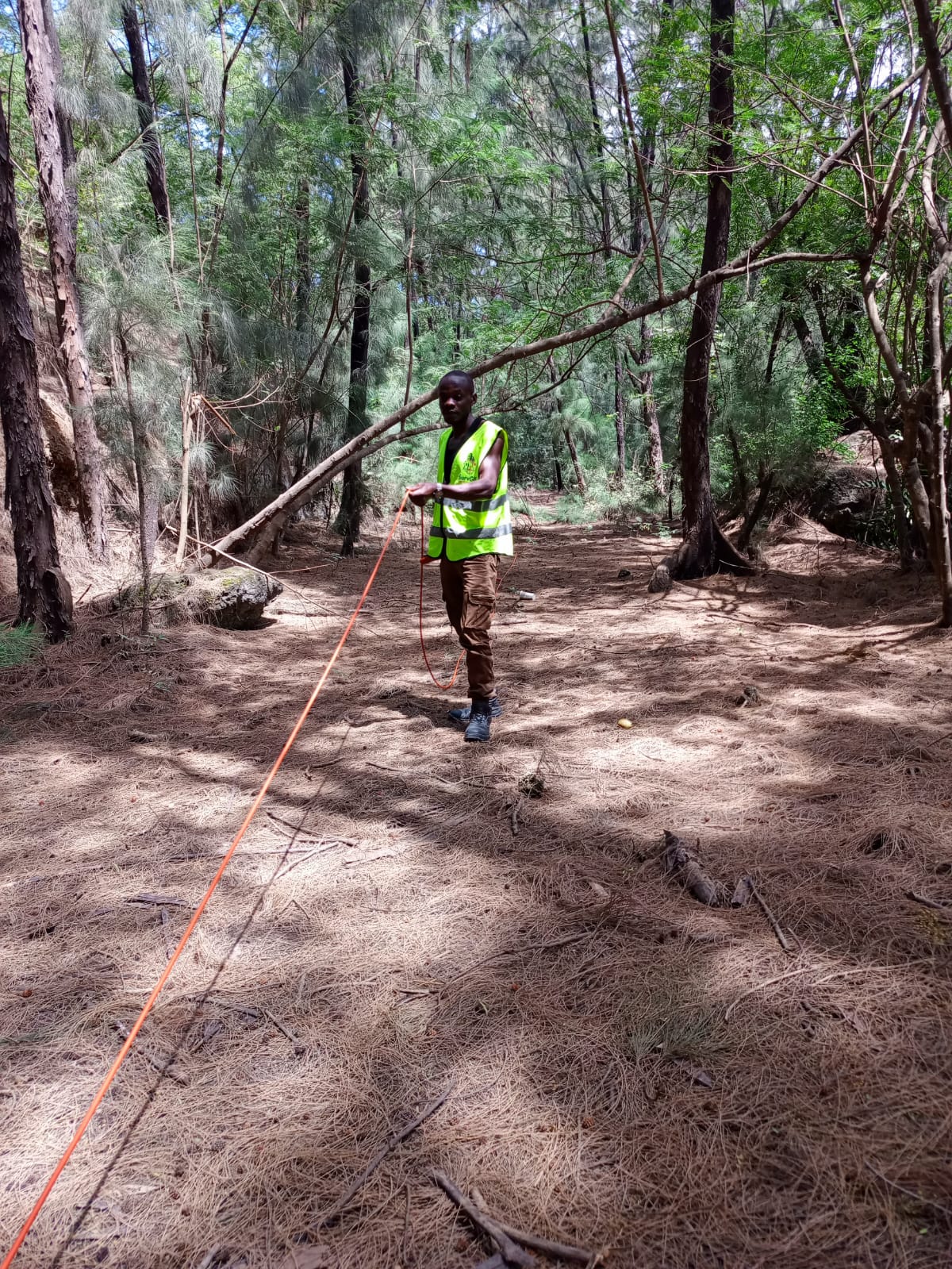
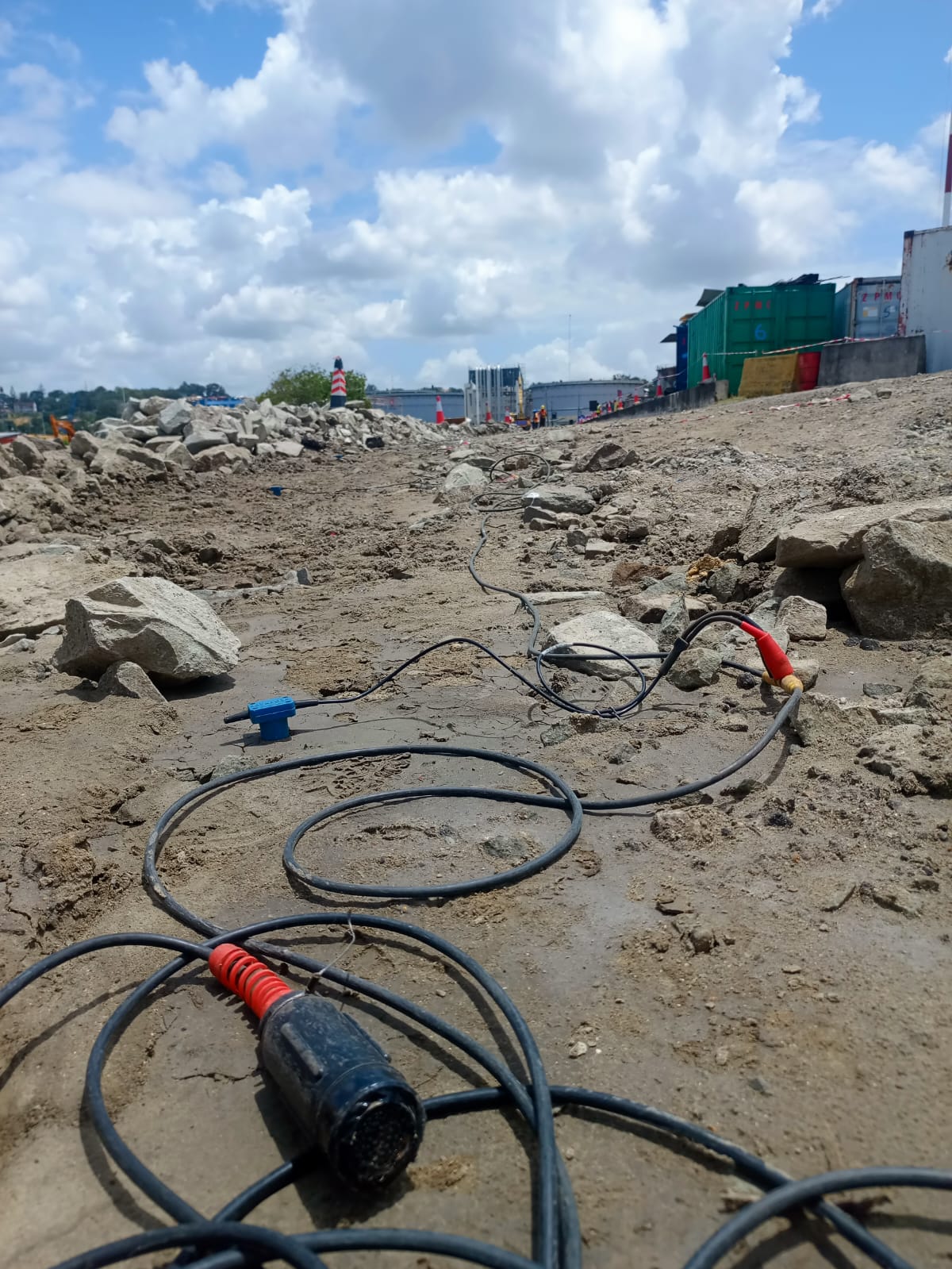
Geophysical Survey (Seismic & Resistivity)
Non-invasive surface surveys are conducted to map subsurface conditions and determine the best locations for boreholes or test pits. This precursor step reduces uncertainty and prevents costly surprises during construction.
- Seismic profiling to determine subsurface layering and velocity contrasts
- Electrical resistivity tomography to identify subsurface zones
- Data integration and interpretation
- Optimal borehole location recommendations
DCP Testing or Borehole Drilling
In-situ field testing using Dynamic Cone Penetrometer methods or rotary/percussion drilling with Standard Penetration Tests, depending on investigation depth requirements and project specifics.
- DCP testing for shallow investigations (up to 3m)
- Borehole drilling with SPT for deeper investigations
- Rock core recovery where applicable
- Continuous monitoring and logging of subsurface conditions
Sampling & Laboratory Testing
Collection of disturbed and undisturbed soil samples for comprehensive laboratory analysis. Testing includes classification, strength, compressibility, and permeability evaluations.
- Soil classification testing (grain size, Atterberg limits)
- Shear strength testing (direct shear, triaxial)
- Consolidation and compressibility testing
- Permeability and hydraulic conductivity analysis
- Compaction and CBR testing
Data Analysis & Subsurface Modeling
Integration of field and laboratory data to develop a complete subsurface model of the site. This identifies risk zones, anomalies, and critical factors affecting construction planning.
- Comprehensive data integration and interpretation
- Subsurface profile development
- Identification of risk zones and anomalies
- Hydrogeological assessment
- Geotechnical parameters derivation
Engineering Report & Recommendations
Delivery of a comprehensive geotechnical report with foundation design parameters, risk assessments, and clear, actionable engineering recommendations.
- Detailed geotechnical characterization
- Foundation type recommendations
- Allowable bearing capacity determination
- Settlement analysis and predictions
- Construction risk assessment
- Implementation recommendations
Integrated Methodology for Accurate Results
BSGC's 5-step investigation process combines geotechnical and geophysical expertise to deliver comprehensive subsurface characterization. By conducting geophysical surveys before drilling, we reduce uncertainty, optimize drilling locations, and ultimately save project costs.
- Geophysical surveys provide non-invasive reconnaissance
- Targeted drilling based on survey recommendations
- Comprehensive laboratory analysis ensures accuracy
- Integrated data analysis reveals true subsurface conditions
- Clear recommendations guide construction decisions